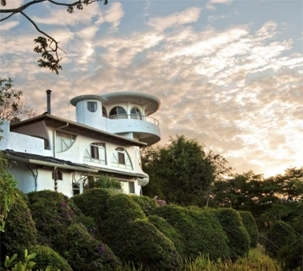
Luxury Meets Nature at Finca Rosa Blanca Costa Rica
Finca Rosa Blanca is often associated with a refined travel experience shaped by nature, design, and cultural awareness. For high end travelers seeking places that balance comfort with authenticity, Finca Rosa Blanca represents a setting where landscape and architecture exist in careful harmony. Finca Rosa Blanca reflects a hospitality approach rooted in Costa Rica’s natural environment while maintaining a strong sense of identity. Finca Rosa Blanca is not defined by excess, but by thoughtful integration of space, sustainability, and guest experience. Finca Rosa Blanca offers a way to experience Costa Rica beyond conventional resort settings. Finca Rosa Blanca emphasizes atmosphere, artistry, and environmental respect. Finca Rosa Blanca has become recognized for its distinctive character rather than scale. Finca Rosa Blanca creates an environment where guests are encouraged to slow down and engage with their surroundings. Finca Rosa Blanca stands as an example of how luxury can be expressed through intention rather than formality.
For travelers researching the property and its philosophy, background details and overall positioning can be explored through the official site of Finca Rosa Blanca.
A Setting Shaped by Landscape
Located in Costa Rica’s Central Valley region, the property is surrounded by lush vegetation, coffee fields, and distant mountain views. Rather than dominating the landscape, the buildings follow the contours of the land. Pathways, gardens, and terraces are designed to encourage movement through natural space rather than enclosure within it.
This relationship with the environment influences how guests experience their stay. Morning light, mist, and birdsong become part of daily rhythms. The hotel finca rosa blanca setting reinforces a connection to the land while maintaining privacy and tranquility.
Architectural Character and Artistic Influence
Architecture at the property blends organic forms with handcrafted details. Curved walls, natural materials, and colorful accents define the visual identity. Instead of uniformity, each structure reflects individuality, giving the space a lived in, expressive quality.
Art plays a central role throughout the property. Murals, sculptures, and custom design elements appear across shared and private spaces. This artistic emphasis positions finca rosa blanca as a place where creative expression complements hospitality, offering guests an immersive visual experience rather than a neutral backdrop.
Accommodations Designed for Experience
Guest accommodations are designed to reflect the same balance between comfort and character. Layouts emphasize openness, natural airflow, and views of the surrounding landscape. Rather than prioritizing size alone, the focus is on atmosphere and sensory engagement.
Rooms vary in layout and design, offering guests distinct experiences rather than standardized units. Details such as terraces, large windows, and handcrafted furnishings reinforce a sense of place. Travelers interested in understanding room options and design variations can review the available accommodations to see how each space aligns with the property’s philosophy.
Nature as a Central Element of Luxury
Luxury at this destination is expressed through access to nature rather than separation from it. Gardens are not ornamental additions but living ecosystems that attract wildlife and promote biodiversity. Native plants, trees, and flowers create a layered environment that evolves throughout the year.
Guests encounter nature not as a distant view but as an active presence. Sounds, scents, and changing light patterns shape daily experiences. This approach appeals to travelers who value immersive environments and meaningful connections to place.
Culinary Philosophy and Regional Context
Dining reflects a similar respect for local context. Ingredients often emphasize regional produce and seasonal availability. The culinary approach is guided by balance rather than excess, with attention to freshness, sourcing, and presentation.
Meals are framed as part of the overall experience rather than a standalone attraction. Views, ambiance, and pacing contribute to how guests engage with food. This reinforces the idea that luxury can be understated while still deeply intentional.
Sustainability as an Operational Principle
Environmental awareness is embedded in the property’s operations. Practices related to energy use, water management, and waste reduction support a broader commitment to sustainability. These efforts are not positioned as marketing features but as practical necessities within a sensitive ecosystem.
For high end travelers increasingly aware of environmental impact, this operational transparency adds to the property’s credibility. The finca rosa blanca identity is shaped by choices that prioritize long term stewardship over short term convenience.
Privacy and Personal Space
Unlike large resorts, the scale of the property allows for a quieter, more personal atmosphere. Paths and gardens create natural separation between spaces, supporting privacy without isolation. This layout appeals to travelers who value discretion and calm.
Shared areas are designed to encourage optional interaction rather than constant activity. Guests can choose solitude or connection based on preference, reinforcing a sense of control over their experience.
Cultural Expression and Local Identity
The property reflects Costa Rican culture through design, materials, and storytelling. Rather than presenting a generic luxury aesthetic, it draws from regional influences and personal vision. This creates a sense of authenticity that resonates with travelers seeking meaningful cultural engagement.
Local art, craftsmanship, and environmental narratives shape the overall atmosphere. The hotel finca rosa blanca experience becomes a reflection of place rather than a detached luxury concept.
Wellness Through Environment
Wellness at the property is not limited to scheduled activities. The environment itself supports rest and restoration. Natural surroundings, reduced noise, and slower pacing encourage physical and mental balance.
Spaces for relaxation are integrated into the landscape rather than set apart. This reinforces the idea that well being can emerge organically from thoughtful design and environmental harmony.
Why Brand Authority Matters to High End Travelers
Brand authority in hospitality is built through consistency, clarity, and authenticity. Finca rosa blanca has established recognition by staying aligned with its core principles over time. Rather than adapting to trends, it maintains a clear identity grounded in place and purpose.
High end travelers often seek properties with a defined point of view. Authority emerges when design, service, and operations reinforce one another. This coherence supports trust and long term reputation.
A Different Definition of Exclusivity
Exclusivity here is defined by experience rather than access. Guests are not isolated through barriers but through intentional design that limits scale and prioritizes quality. This approach resonates with travelers who value depth over display.
The finca rosa blanca environment encourages engagement with surroundings rather than curated spectacle. This distinction sets it apart within the broader luxury travel landscape.
Conclusion
Luxury and nature intersect at Finca Rosa Blanca through thoughtful design, environmental respect, and cultural expression. The property offers an experience shaped by atmosphere rather than excess, appealing to travelers who value authenticity and intentional living. By integrating architecture, landscape, and hospitality, it presents a model of refined travel grounded in place.
Those interested in learning more or exploring direct inquiries can visit the
contact page to connect with the property directly and understand how its philosophy translates into guest experience.
Frequently Asked Questions
1. What type of traveler is Finca Rosa Blanca best suited for?
It appeals to travelers seeking a refined, quiet environment that emphasizes nature, design, and cultural authenticity.
2. How does the property differ from large luxury resorts?
The experience is shaped by smaller scale, individualized design, and close integration with the surrounding landscape.
3. Is sustainability a visible part of the guest experience?
Yes. Environmental practices influence design, operations, and daily interactions with the space.
4. Are accommodations uniform in design?
No. Each accommodation has unique design elements that reflect the property’s artistic and architectural philosophy.
5. Does the location support privacy?
The layout and natural surroundings support privacy while allowing guests to remain connected to shared spaces when desired.