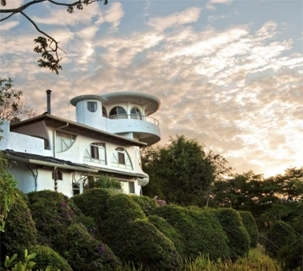
Rooms at Finca Rosa Blanca: A Unique Costa Rica Farm Stay Experience
Rooms at Finca Rosa Blanca play a central role in shaping how guests experience the property and its surrounding landscape. Each space reflects a thoughtful approach to comfort, individuality, and connection with nature, offering a personal feel rather than a standardized hotel atmosphere. Designed as part of a living environment, the rooms blend artistic expression with practical design choices that emphasize ambiance as much as function. Set among gardens, coffee fields, and rolling hills, they invite guests to experience Costa Rica at a slower, more intentional pace. Together, these spaces help define the character of the farm stay and support an immersive experience that feels meaningful rather than transactional.
For travelers exploring the philosophy and setting behind this distinctive stay, background information can be found through the official site of Finca Rosa Blanca.
A Farm Stay Setting That Shapes the Rooms
Unlike urban accommodations, the rooms here are influenced directly by their agricultural and natural surroundings. The property operates within a working landscape, and this context informs how spaces are arranged and experienced.
Rooms are positioned to take advantage of views, airflow, and privacy. Instead of long corridors or stacked layouts, pathways wind through gardens and open areas. This design reinforces the feeling of staying within a Costa Rica farm stay rather than a traditional lodging environment.
Individuality Over Uniform Design
One of the defining characteristics of the rooms is their individuality. Each space has its own layout, proportions, and decorative details. Rather than repeating a single template, the rooms reflect variations in architecture and artistic expression.
This approach appeals to experience seekers who value originality. Staying in a Costa Rica bed and breakfast style environment often means embracing character over predictability, and the rooms align with that expectation.
Architectural Features and Natural Flow
Architecture plays a significant role in how the rooms feel. Curved walls, high ceilings, and natural materials create a sense of openness. Windows and terraces are positioned to frame views of gardens, coffee plants, or distant hills.
Natural ventilation reduces reliance on artificial systems and enhances the connection to the environment. Sounds from birds, wind, and rain become part of the room experience rather than something blocked out.
Interior Atmosphere and Artistic Elements
Interior design emphasizes texture, color, and handcrafted elements. Furnishings are selected to complement the architectural forms rather than dominate them. Artworks, murals, and decorative accents contribute to a sense of place.
This artistic atmosphere supports the idea that the room itself is part of the experience. For guests interested in a Costa Rica farm stay that feels expressive and personal, these details shape how time is spent within the space.
Relationship Between Privacy and Openness
While the rooms offer privacy, they are not isolated. Terraces, balconies, and large windows allow guests to remain visually connected to the surrounding environment. This balance supports both solitude and awareness of the property’s rhythms.
Paths between rooms are designed to minimize intrusion while encouraging gentle exploration. This layout reinforces a relaxed pace that aligns with the ethos of a Costa Rica bed and breakfast rather than a high density hotel.
Morning and Evening Experiences in the Rooms
Time of day changes how the rooms are experienced. Morning light often filters through trees and gardens, creating shifting patterns across walls and floors. Evenings bring quieter moments marked by cooler air and natural sounds.
These transitions highlight the importance of ambiance. The rooms are not just places to sleep but spaces where guests can observe and engage with their surroundings throughout the day.
How the Rooms Reflect the Landscape
The materials and colors used in the rooms often mirror the surrounding environment. Earth tones, natural textures, and organic shapes echo the gardens and coffee fields outside.
This design approach helps the rooms feel integrated rather than imposed. Guests staying in a Costa Rica farm stay often seek this sense of continuity between indoor and outdoor spaces.
Accommodations as Part of the Overall Experience
The rooms are part of a broader environment that includes gardens, shared spaces, and walking paths. Moving between room and property feels fluid rather than segmented.
Travelers interested in exploring room layouts and features in more detail can view the available accommodations to understand how each space contributes to the overall experience.
Quiet Luxury Through Simplicity
Luxury within the rooms is expressed through comfort, space, and atmosphere rather than excess. Design choices prioritize usability and sensory experience over ornamentation.
This quiet approach resonates with guests who value authenticity. The Costa Rica bed and breakfast style setting encourages presence and reflection rather than constant stimulation.
A Space for Rest and Reflection
The rooms are well suited for rest, reading, and contemplation. Seating areas, terraces, and thoughtful lighting create opportunities to pause. This supports travelers who see accommodation as part of their personal journey rather than just a base for activities.
Being surrounded by nature while maintaining personal comfort allows guests to reset their pace and focus.
How Rooms Shape the Farm Stay Identity
In a Costa Rica farm stay, rooms play a crucial role in shaping identity. They act as the interface between guest and environment. Here, that interface is designed to be porous rather than sealed.
Guests are encouraged to notice weather changes, wildlife activity, and natural rhythms. This connection supports a deeper understanding of place.
Experience Seekers and the Value of Atmosphere
Experience driven travelers often prioritize how a place feels over a list of amenities. The rooms appeal to this mindset by offering sensory richness and individuality.
Staying in a space that reflects its surroundings adds depth to travel memories. This approach aligns with evolving expectations around meaningful travel experiences.
Conclusion
Rooms at Finca Rosa Blanca define the character of the stay by blending design, nature, and individuality. They offer an environment where guests can experience Costa Rica through space, light, and landscape rather than through standardized accommodation. As part of a Costa Rica farm stay and bed and breakfast tradition, these rooms emphasize ambiance, connection, and intentional living.
Guests interested in learning more or planning a stay can reach out directly through the contact page to explore how the rooms and setting align with their travel interests.
Frequently Asked Questions
1. Are all rooms the same in design?
No. Each room has unique architectural and decorative features that reflect individuality and artistic expression.
2. Do the rooms offer views of nature?
Yes. Many rooms include views of gardens, coffee fields, or surrounding hills, reinforcing the farm stay experience.
3. Is this more like a hotel or a bed and breakfast?
The experience aligns more closely with a Costa Rica bed and breakfast, emphasizing character, atmosphere, and personal space.
4. How do the rooms connect to the farm environment?
Design choices such as natural materials, ventilation, and layout integrate the rooms with the surrounding landscape.
5. Are the rooms suitable for travelers seeking quiet stays?
Yes. The layout and ambiance support privacy, calm, and a slower pace ideal for reflective travel.