Sustainable Coffee Farming at Finca Rosa Blanca
Coffee has long been an essential part of Costa Rica’s culture and economy. At Finca Rosa Blanca, coffee farming is not just a method of production; it is a way to connect with the land, the environment, and local traditions. Visitors to this Costa Rica coffee farm experience firsthand how sustainable practices are integrated into every aspect of coffee cultivation, from planting to harvesting. By emphasizing coffee farming that respects natural ecosystems, the property offers both an educational and immersive experience for eco-conscious travelers and coffee enthusiasts alike.
Sustainability is at the heart of operations at Finca Rosa Blanca. Every step of the coffee production process is designed to minimize environmental impact, conserve resources, and support the surrounding community. For travelers interested in learning more about the property’s coffee practices, detailed information is available on the Costa Rican coffee page.
The History of Coffee at Finca Rosa Blanca
The story of coffee at this farm begins decades ago with a vision of sustainable agriculture and authentic hospitality. Finca Rosa Blanca has evolved into a model Costa Rica coffee farm, blending traditional cultivation techniques with modern eco-friendly practices.
From the early days of planting to the establishment of the property as an eco-friendly hotel, the farm has prioritized environmental stewardship. This approach reflects a commitment to preserving the local ecosystem while providing a unique experience for visitors who want to learn about coffee farming in a responsible and hands-on way.
For more about the origins and mission of the farm, visitors can explore the Our Story
Sustainable Coffee Farming Practices
At Finca Rosa Blanca, coffee farming practices focus on sustainability in every stage of cultivation and processing. The farm integrates techniques that protect the environment, conserve water, and reduce chemical inputs, all while producing high-quality coffee beans.
Shade-Grown Coffee
The coffee plants are cultivated under the canopy of native trees, creating a shaded environment that mimics the natural forest. This approach protects the soil, conserves water, and supports biodiversity. Birds, insects, and other wildlife thrive among the trees, making the farm a living ecosystem rather than just a production site.
Organic Fertilization and Composting
The farm uses natural compost and organic fertilizers to maintain soil fertility. Instead of relying on synthetic chemicals, nutrient cycles are managed naturally, promoting healthier plants and richer soil. Guests can see how composting practices are integrated into daily farm operations and how waste is recycled to support sustainable growth.
Water Conservation
Efficient irrigation systems and rainwater collection ensure that water is used responsibly. By minimizing water waste and protecting nearby waterways, Finca Rosa Blanca demonstrates the importance of environmental stewardship in coffee farming.
Integrated Pest Management
Instead of using harmful pesticides, the farm employs integrated pest management techniques. Natural predators, companion planting, and habitat management help maintain a balanced ecosystem, ensuring healthy coffee plants while protecting the surrounding environment.
An Authentic Coffee Farm Experience
Visiting the farm offers guests an authentic look at Costa Rica coffee farm life. From planting and pruning to harvesting and processing, travelers gain insight into every step of production. The farm provides guided tours that explain the science and art behind coffee cultivation, offering a hands-on experience that emphasizes learning and connection with the land.
Guests can observe the meticulous process of harvesting ripe coffee cherries, learn about drying and milling, and participate in tasting sessions to explore the flavor profiles of freshly roasted beans. These experiences highlight the dedication to quality and sustainability that defines the farm.
For more details about coffee farming tours and hands-on experiences, visitors can check the Costa Rican coffee.
Sustainable Tourism and Eco-Friendly Stays
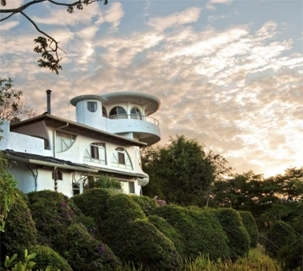
Finca Rosa Blanca is not only a working coffee farm but also an eco-friendly hotel. The accommodations are designed with sustainability in mind, incorporating eco-conscious construction, renewable energy, and water-saving measures. Guests can enjoy luxurious stays while knowing that their visit supports responsible tourism.
Eco-Conscious Architecture
The buildings on the property blend with the natural environment, using sustainable materials and energy-efficient design. Natural ventilation, solar panels, and low-impact lighting help reduce energy consumption without compromising comfort.
Local and Seasonal Cuisine
The on-site restaurant focuses on locally sourced ingredients, often incorporating produce grown on the farm itself. This approach reduces transportation emissions and supports the surrounding community while providing guests with fresh, seasonal flavors.
Community Engagement
Sustainable tourism at Finca Rosa Blanca extends beyond the property. The farm engages with local communities, supporting educational programs, conservation projects, and fair labor practices. Guests have the opportunity to learn about these initiatives during their stay, adding depth to the eco-conscious experience.
For reservations and to plan a stay immersed in sustainability, visitors can use the online booking system.
Coffee Plantation and Biodiversity
The coffee plantation itself is a living example of how agriculture can coexist with biodiversity. Native trees, flowering plants, and shaded areas provide habitats for birds, butterflies, and other wildlife. Walking through the plantation, guests can observe the balance between human cultivation and natural ecosystems.
Birdwatching and Nature Trails
The farm features trails that wind through the coffee fields and surrounding forest, offering opportunities for birdwatching and wildlife observation. Guided tours explain how each element of the ecosystem supports coffee growth, demonstrating the interconnectedness of sustainable farming and biodiversity.
Soil Health and Reforestation
Maintaining soil health is a key component of sustainability. The farm practices reforestation and erosion control, planting native species to protect water sources and provide shade for the coffee plants. Healthy soils contribute to better coffee quality and long-term environmental sustainability.
Educating Guests on Sustainable Practices
Finca Rosa Blanca places a strong emphasis on education. Guests are encouraged to learn about coffee farming practices that minimize environmental impact and support ethical production. Informational sessions, workshops, and tours help travelers understand the importance of sustainability in agriculture and tourism.
By offering these educational experiences, the farm empowers guests to make informed choices about eco-friendly products and sustainable travel, extending the impact of their visit beyond the property.
For more information about the farm and its sustainability programs, visitors can explore the Our Story page.
Combining Luxury with Responsibility
A stay at Finca Rosa Blanca combines the comfort of a luxury hotel with the principles of sustainable tourism. Guests can enjoy private accommodations, modern amenities, and personalized service while knowing that their visit supports environmentally responsible practices.
The property demonstrates that it is possible to provide a high-quality guest experience without compromising ecological integrity. This philosophy is reflected in every aspect of the farm, from the construction of the villas to the management of the coffee plantation.
Planning Your Visit
When planning a trip to experience sustainable coffee farming, consider the unique opportunities offered at Finca Rosa Blanca. Guests can book guided tours, participate in coffee tastings, and enjoy eco-friendly lodging while exploring the Costa Rican highlands.
Reservations can be made conveniently through the online booking system to ensure accommodations and experiences are available during your visit. The combination of sustainability, education, and comfort creates a memorable experience for travelers who value responsible tourism.
Conclusion
Sustainable coffee farming at Finca Rosa Blanca offers visitors an immersive and educational experience in Costa Rica. By integrating eco-friendly practices, preserving biodiversity, and emphasizing responsible tourism, the property provides a model for how agriculture and hospitality can coexist harmoniously with the environment.
Guests can experience the full coffee production process, enjoy luxury eco-friendly accommodations, and explore the natural beauty of the coffee plantation. The farm demonstrates that Costa Rica coffee farms can offer both exceptional quality and environmental responsibility, providing an unforgettable experience for eco-conscious travelers and coffee enthusiasts alike.
FAQ
1. What is unique about the coffee farming practices at Finca Rosa Blanca?
The farm emphasizes shade-grown coffee, organic fertilization, integrated pest management, and water conservation to ensure sustainability.
2. Can guests tour the coffee plantation?
Yes, guided tours provide insight into every stage of coffee production, from planting to harvesting and processing.
3. What eco-friendly practices does the hotel follow?
The property uses sustainable building materials, renewable energy, water-saving measures, and promotes locally sourced cuisine.
4. How does the farm support sustainable tourism?
Finca Rosa Blanca engages with local communities, supports educational initiatives, and integrates conservation practices throughout the property.
5. How can I book a stay to experience the coffee farm?
Guests can make reservations through the online booking system.